.jpg)
There’s something deeply satisfying about saving small pieces of life.
A receipt from a coffee shop. A pressed flower from a walk. A ticket stub from a night you don’t want to forget. Most of us hold onto these things without quite knowing why. Junk journaling gives them a home.
If you’ve been searching for junk journal ideas, chances are you’re craving something creative, hands-on, and meaningful. Junk journaling isn’t just about decorating pages — it’s about documenting moments in a layered, personal way that feels imperfect and real.
What is a Junk Journal?
A junk journal is exactly what it sounds like: a journal created from “junk” — recycled paper, scraps, old envelopes, magazine clippings, packaging, fabric remnants, and keepsakes. But the name is misleading. What looks like junk becomes texture, story, and memory once it’s arranged intentionally.
Unlike traditional planners or blank diaries, junk journals invite experimentation. Pages can be uneven. Layers can overlap. Handwriting doesn’t have to be perfect. In fact, the beauty of junk journaling is that imperfection becomes part of the aesthetic.
That freedom is one reason junk journal ideas have exploded in popularity across Pinterest and creative communities. People are looking for slower hobbies — something tactile in a world that is increasingly digital.
Why Junk Journaling Feels So Therapeutic
There’s a quiet rhythm to tearing paper, layering scraps, and pressing glue into place. The repetitive motions help calm the nervous system and improve focus. It’s a creative outlet that doesn’t demand technical skill, which makes it accessible to anyone.
Junk journaling also reduces the pressure to create something flawless. Because the materials are already worn, vintage, or recycled, there’s no expectation of perfection. That alone can feel liberating.
Beyond relaxation, junk journals preserve memory in a way that feels tangible. Instead of scrolling past photos on your phone, you physically hold moments in your hands. A single
spread might combine images, handwritten reflections, textures, and color — capturing the feeling of a season rather than just documenting it.
Finding Your Junk Journal Style
Finding Your Junk Journal Style
If you’re wondering how to start, think less about rules and more about mood.
Some people gravitate toward botanical themes, layering pressed flowers, earthy tones, and soft handwriting across their pages. Others lean into a vintage aesthetic, using aged book pages, sheet music, and sepia-toned photographs. You might prefer something modern and minimal, focusing on neutral color palettes with subtle textures. Or maybe your pages feel bright and eclectic, filled with magazine clippings and bold patterns.
There is no correct style. Junk journal ideas often emerge naturally once you begin working with the materials you already have.
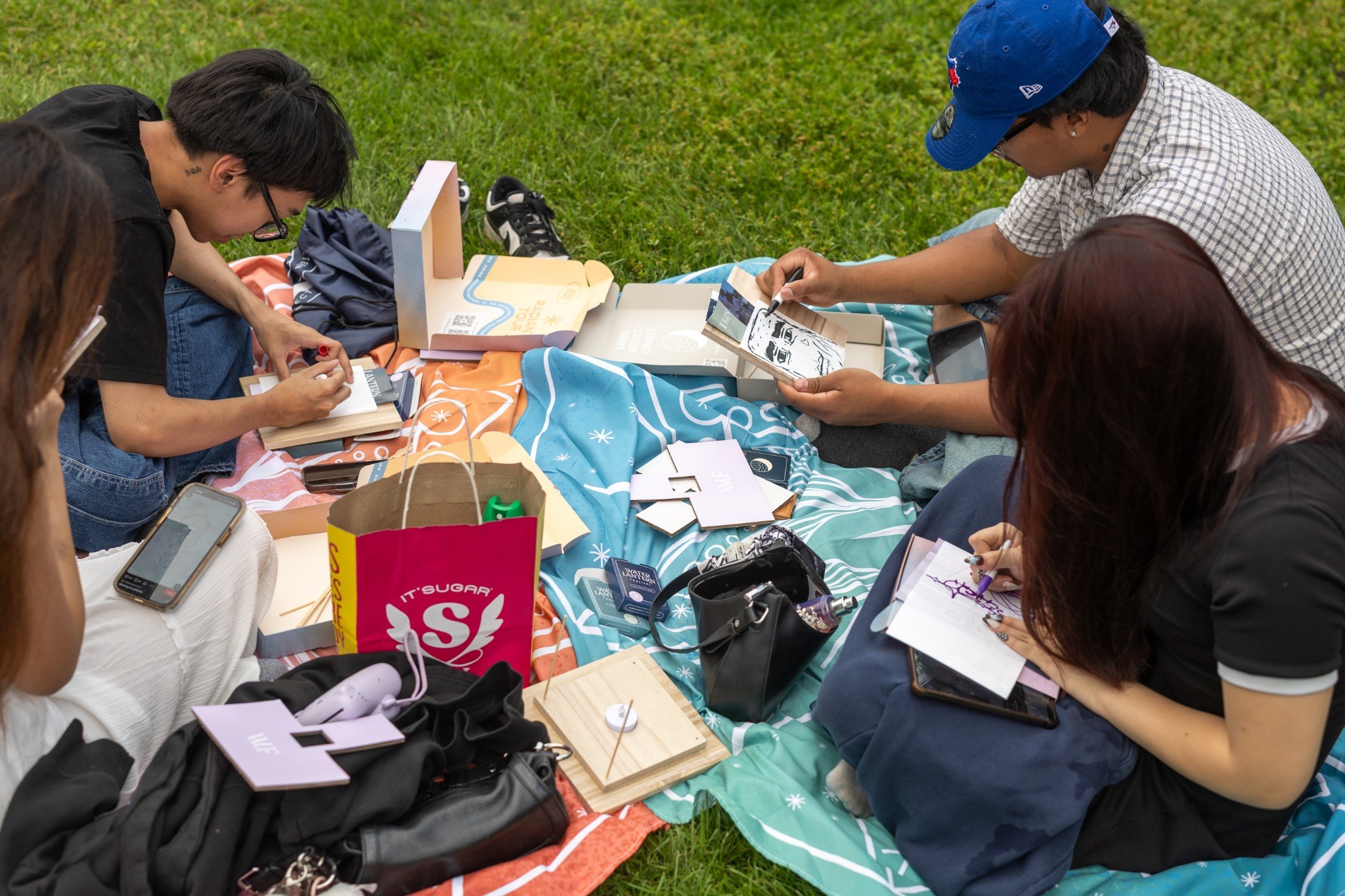
You can also let your journal reflect a particular season of life. Some creators build journals around growth and intention, collecting quotes and reflections that symbolize hope and progress. Others document travel memories, saving maps, brochures, and small artifacts from places they’ve visited. Even meaningful gatherings — nights filled with reflection or shared experiences — can become beautiful spreads when you add wristbands, photos, or handwritten notes afterward.
How to Start a Junk Journal Without Overthinking It
The easiest way to begin is to gather what’s already around you. Old magazines, grocery bags, packaging, envelopes, and scrap paper can all become background layers. You don’t need specialty supplies to create something meaningful.
Start with a blank page and glue down a few pieces of paper to create texture. Let them overlap. Add a focal point — perhaps a photo, a quote, or a keepsake. Once the visual foundation feels balanced, write a few lines about why that moment mattered.
If you feel stuck, use simple reflection prompts. Ask yourself what you’re learning right now. What are you holding onto? What are you letting go of? What feels important in this season? Pairing written reflection with visual layering transforms your junk journal into something deeper than decoration.
The key is to start before you feel ready. Your first page does not need to be impressive. It only needs to exist.
Junk Journal Ideas That Go Beyond Decoration
Many people begin junk journaling for the aesthetic but stay for the introspection. When you combine creative collage with personal writing, the journal becomes a visual timeline of growth.
You might dedicate a few pages to gratitude, layering warm tones and handwritten lists. Another spread could represent a goal you’re working toward, blending images that symbolize where you want to go. You might create a seasonal reflection page at the end of summer or a fresh-start spread at the beginning of a new year.
Some journalers even use their pages to process emotions. By tearing, rearranging, and layering materials, you physically engage with feelings that might otherwise stay bottled up. The creative process becomes both expression and release.
Supplies You Likely Already Own
One of the most appealing aspects of junk journaling is its accessibility. You don’t need a craft room or expensive materials. A simple notebook, scissors, glue, and scraps of paper are enough to begin.
Thrift stores can become treasure troves for old books or vintage envelopes. Nature offers pressed leaves and flowers. Even everyday packaging can add texture and contrast to a page.
The goal isn’t to create something museum-worthy. It’s to create something that feels personal. Let Your Pages Evolve With You
Over time, your junk journal will start to feel like a collection of layered memories. You’ll see themes emerge. You’ll notice changes in your handwriting, your color choices, and your reflections. The journal becomes a record of growth — not in a rigid, chronological sense, but in a visual, emotional one.
Years from now, flipping through those pages may bring back feelings more vividly than a photo album ever could. The crinkle of paper, the softness of fabric, the ink on the page — these details anchor memories in a sensory way.
If you’ve been searching for junk journal ideas because you want something creative, grounding, and meaningful, consider this your invitation to begin. Start with scraps. Start with a single page. Let the process unfold naturally.
Sometimes the simplest materials hold the most beautiful stories.